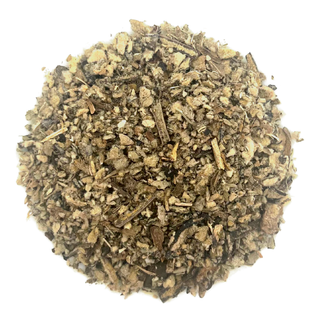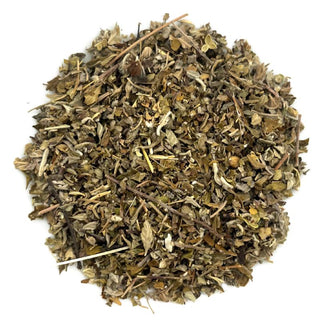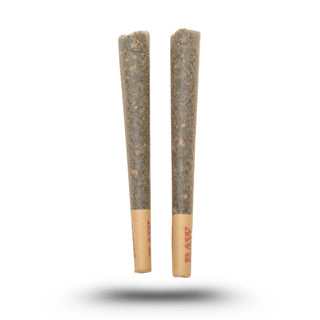





Wild dagga is one of those herbs that immediately creates curiosity because of its name. Also known as lion's tail, lion's ear, or Leonotis leonurus, this South African plant has a long traditional-use history and a bold visual identity. Its orange flowers and strong common names make it memorable, which is one reason people search for wild dagga effects, smokeable wild dagga, and lion's tail herb.
The first thing to clarify is important: wild dagga is not cannabis. The name can be misleading. While some traditional references compare it culturally or colloquially, Leonotis leonurus is a different plant.
What Is Wild Dagga?
Wild dagga is a plant in the mint family, Lamiaceae. It is native to southern Africa and has been discussed in ethnobotanical literature for its traditional uses. The plant is known for bright tubular orange flowers and aromatic leaves.
In modern herbal culture, wild dagga appears in discussions around botanical smoking blends, tea, and traditional plant use. Because it is more niche than chamomile or lavender, shoppers should approach it with extra education.
Why People Search for Wild Dagga
Wild dagga attracts attention for a few reasons:
-
The name sounds unusual and memorable
-
It has a long traditional-use background
-
It is often discussed in smokeable herbal blend communities
-
It is sometimes confused with cannabis
-
People are curious about non-nicotine botanical rituals
That curiosity is understandable, but responsible content should avoid exaggerating effects or making medical claims.
Aroma and Herbal Character
Wild dagga is typically described as earthy, herbal, and slightly bitter. It does not have the soft floral profile of lotus or lavender. Instead, it brings more structure and intensity to the conversation.
In a blend, wild dagga would likely be framed as a focal herb rather than a light accent. For beginners, that means it may be better to learn about it before mixing it with multiple other botanicals.
Safety and Responsible Use
Because wild dagga is less familiar to many consumers, shoppers should be cautious. Ask about sourcing, ingredient purity, intended use, and whether the product includes any cautions. People who are pregnant, breastfeeding, taking medications, subject to drug testing, or managing health conditions should consult a professional before using botanical products.
Also remember that smoke itself can irritate the lungs. Natural does not mean risk-free.
How to Position Wild Dagga in a Blog
A strong SEO blog about wild dagga should answer customer questions clearly:
-
Is wild dagga cannabis? No.
-
Is it nicotine-free? The plant itself is not tobacco or nicotine, but always check the blend.
-
Is it for beginners? It may be better for well-informed shoppers.
-
Does it have a strong aroma? It is generally earthier and more herbal than lotus flowers.
-
Should I ask questions before buying? Absolutely.
Final Thoughts
Wild dagga is a fascinating botanical, but it should be treated as a more advanced herbal topic. Its name creates excitement, but education should lead the conversation.
For Hemp & Tea Company, this post can attract organic search traffic while reinforcing the brand's position as a responsible source for botanical education.