



Kava is one of the most important herbs in the September smokeable herbal tea calendar because it requires the most careful language. Customers may search for dried kava leaf, kava tea, smokeable kava leaf, and kava effects, but not all of those searches reflect the same product or the same level of safety.
Kava, known botanically as Piper methysticum, is traditionally associated with the South Pacific. Most well-known kava preparations involve the root or rhizome, not the leaf. That distinction matters.
Kava Leaf vs Kava Root
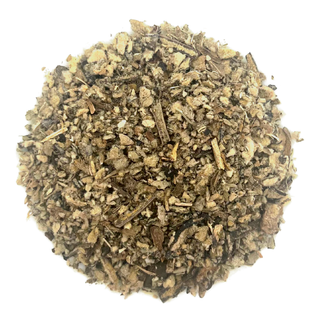
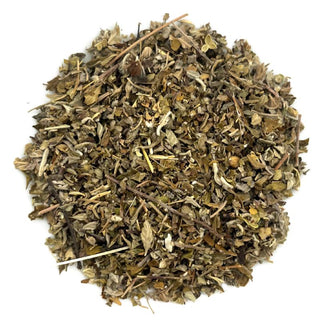
Many consumers know kava from drinks, tinctures, capsules, or powdered root products. Dried kava leaf is less familiar and should not be treated as interchangeable with traditional kava root. Plant part matters in herbal products because leaves, roots, stems, and extracts can have different chemical profiles and safety considerations.
For that reason, any kava leaf product should be clearly labeled, and shoppers should ask whether it is intended for tea, smokeable use, aromatic use, or another purpose.
Why Kava Requires Extra Caution
Kava has been linked to serious liver safety concerns in consumer advisories and complementary health resources. This does not mean every kava product is identical, but it does mean kava should never be presented casually.
Customers should avoid kava products if they are pregnant or breastfeeding, have liver disease, take medications that affect the liver, regularly drink alcohol, or have been advised by a clinician to avoid kava. They should also avoid combining kava with sedatives, alcohol, or other substances that may increase risk.
What Shoppers Should Ask
Before buying dried kava leaf, ask:
-
What plant part is this: leaf, root, stem, or extract?
-
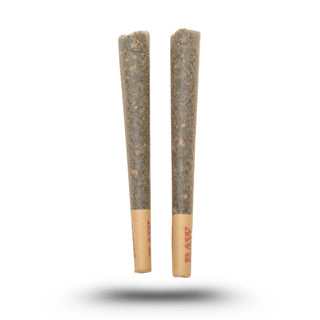
Is this product intended for tea, smokeable use, or aromatic blending?
-
Does the product include liver safety warnings?
-
Is the source transparent?
-
Are there additives, flavors, or oils?
-
Should I avoid this with medications or alcohol?
A responsible retailer should be comfortable slowing the conversation down.
How to Write About Kava Responsibly
A blog about kava should not promise relaxation, sleep improvement, anxiety relief, or medical outcomes. It can explain traditional context, modern curiosity, product forms, and safety considerations.
For Hemp & Tea Company, the strongest angle is consumer education: what kava is, why the plant part matters, and why shoppers should ask questions before using any kava product.
Where It Fits in a Smokeable Herbal Tea Series
Dried kava leaf can be included in a September smokeable tea calendar, but it should be framed as an advanced botanical. This is not the best first herb for beginners. Blue lotus, white lotus, damiana, or mullein are easier entry points for general botanical education.
Kava deserves its own article because the safety section is not optional.
Final Thoughts
Dried kava leaf is a curiosity-driven topic that can attract organic traffic, but the content must be responsible. The goal is not to make kava sound trendy. The goal is to help shoppers understand the difference between plant parts, product types, and risk factors.
With kava, education is the product story.