





When Wellness Starts to Feel Like Pressure
Somewhere along the way, wellness became competitive.
Morning routines turned into 10-step checklists. Rest became optimized. Meditation became measured. Even relaxation became another thing to “do right.”
What started as self-care slowly began to resemble self-surveillance.
If you’ve ever felt overwhelmed trying to be well — you’re not alone.
At Hemp & Tea Company, we believe real wellness isn’t built on intensity. It’s built on rhythm. And rhythm requires slowing down.
The Problem With High-Intensity Wellness Culture
Modern wellness culture often promotes:
-
Extreme diets
-
5 a.m. wakeups
-
High-performance workouts
-
Hyper-productive mornings
-
Tracking everything
While discipline has value, intensity isn’t sustainable for most people long term.
When wellness becomes rigid:
-
Burnout increases
-
Guilt replaces curiosity
-
Rest feels unearned
Ironically, chasing peak optimization can undermine actual health.
External reference:
American Psychological Association – Burnout and chronic stress
https://www.apa.org
Slow Living Isn’t Laziness — It’s Regulation
Slowing down doesn’t mean doing nothing. It means aligning your pace with your nervous system.
Slow living encourages:
-
Conscious transitions
-
Intentional pauses
-
Sensory awareness
-
Sustainable habits
Rather than asking, “How can I maximize this?” slow living asks, “How can I support this?”
Tea rituals embody this mindset naturally.
Why Tea Is Inherently Slow
Tea can’t be rushed.
You heat the water.
You steep the leaves.
You wait.
That waiting is the point.
Unlike coffee — which is often consumed quickly and functionally — tea invites:
-
Sitting
-
Breathing
-
Noticing
Internal link suggestion:
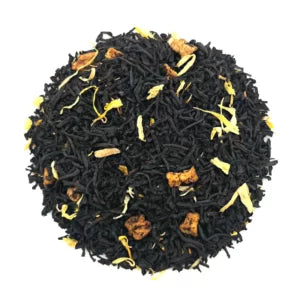
Loose-Leaf Tea Collection
https://hempandteaco.com/collections/tea
Loose-leaf tea especially reinforces slowness because it requires participation.
You don’t just press a button. You engage.
How Hemp Rituals Fit Into Slower Living
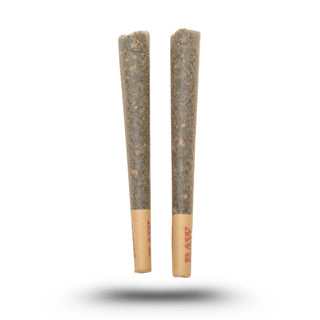
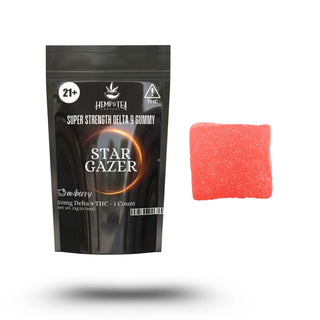
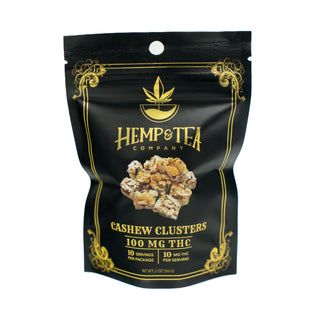
For some individuals, hemp rituals complement tea rituals by deepening presence.
When used intentionally, hemp can:
-
Encourage body awareness
-
Reduce mental chatter
-
Enhance sensory grounding
-
Support evening decompression
The key word is intentional.
Slower living isn’t about numbing — it’s about noticing.
When hemp becomes a structured ritual rather than a reaction to stress, it aligns with slow living principles.
The Nervous System Needs Contrast
One reason slow rituals matter is because the nervous system needs contrast.
If your day is:
-
Bright screens
-
Constant notifications
-
Fast-paced tasks
-
Loud environments
Your system stays activated.
Slower rituals introduce contrast:
-
Warm lighting
-
Quiet moments
-
Gentle sensory input
-
Deliberate breathing
Contrast restores balance.
External reference:
Harvard Health – Relaxation response and stress reduction
https://www.health.harvard.edu
Signs You Might Need to Slow Down
You may not need a full life overhaul. You may just need a shift in pace.
Common signs include:
-
Feeling restless even when resting
-
Struggling to focus despite productivity
-
Irritability without clear cause
-
Trouble sleeping
-
Constant mental noise
Slowing down doesn’t solve everything — but it recalibrates your baseline.
Creating a Slower Morning Without Losing Momentum
Slowing down doesn’t mean sacrificing ambition.
A slower morning might look like:
-
Brewing tea before checking your phone
-
Sitting with natural light for five minutes
-
Setting one realistic intention
That’s it.
Small shifts change trajectory.
Evening Slowness as Protection
Modern evenings often mirror daytime stimulation.
Scrolling. Streaming. Multitasking.
But evenings are meant to soften.
Slower evening rituals might include:
-
Switching to warm lighting
-
Choosing caffeine-free tea
-
Sitting without screens
-
Gentle stretching
Slowness protects sleep. And sleep protects everything else.
Why Sustainability Beats Intensity
Intensity is exciting. Sustainability is stabilizing.
Intensity often relies on motivation. Sustainability relies on structure.
Tea rituals are sustainable because they:
-
Require minimal effort
-
Feel comforting
-
Adapt easily to seasons
-
Don’t demand perfection
That’s what makes them powerful.
Slowing Down Doesn’t Mean Falling Behind
There’s a fear that slowing down means losing progress.
In reality, slowing down often:
-
Improves clarity
-
Reduces mistakes
-
Enhances creativity
-
Increases emotional regulation
Slower pace can actually increase long-term productivity.
It just looks different.
The Role of Environment in Slower Living
Environment shapes pace.
To encourage slowness, consider:
-
Soft textures
-
Warm-toned lighting
-
Visible tea setup
-
Reduced clutter
-
Dedicated unwind space
When your space feels calm, your body follows.
Letting Ritual Replace Pressure
Instead of adding new wellness goals, try replacing pressure with ritual.
Replace:
-
“I should meditate 30 minutes”
With: -
“I will sit with tea for five.”
Replace:
-
“I need to overhaul my routine”
With: -
“I’ll keep one steady ritual.”
Small ritual > grand reinvention.
Slowness as a Form of Strength
It takes strength to move gently in a culture that moves aggressively.
Slowing down requires:
-
Self-trust
-
Boundaries
-
Patience
Tea becomes a physical symbol of that boundary.
When you hold a warm cup, you’re choosing pause over pressure.
How Slow Rituals Carry Into Every Season
Slowness doesn’t mean stagnation.
In winter, it might look like longer evenings.
In spring, it might look like mindful transitions.
In summer, it might look like intentional breaks.
But the foundation remains the same.
Tea and hemp rituals aren’t seasonal trends — they’re rhythm anchors.
Final Thoughts
Wellness doesn’t need to be extreme to be effective.
Sometimes, the most powerful change isn’t adding more — it’s reducing speed.
Tea slows you down naturally.
Hemp, when used intentionally, deepens presence.
Your environment reinforces both.
At Hemp & Tea Company, we believe sustainable wellness isn’t loud. It’s steady.
And sometimes, the bravest thing you can do is move slower.