



Few North Carolina hemp bills have generated as much discussion as House Bill 328. For shoppers, the concern is easy to understand: could this change what local stores carry? For retailers, the stakes include inventory decisions, age checks, packaging, and the definition of hemp itself. The careful answer is to read which version of the bill someone is talking about—and whether that version has become law.
Start with the bill's actual status
The official HB 328 history shows that the Senate adopted the conference report on July 2, 2026. The House received the report and sent it to Rules on July 30. At the October 21 research cutoff, the conference report was not enacted. An article describing its restrictions as already active would be misleading. This post discusses the July 2026 conference proposal, not earlier editions that may have different licensing and packaging language.
What does the conference proposal say about hemp?
One part would revise North Carolina’s definition of hemp from a delta-9-only measure to a total THC measure of 0.3% on a dry-weight basis. The proposal specifically describes a calculation that accounts for delta-9 THC, a portion of THCa, and other tetrahydrocannabinols such as delta-8 and delta-10. It would also address certain synthetic or chemically converted cannabinoids and create a category of prohibited final hemp-derived consumable products.
Under that proposal, a final consumable intended for ingestion or inhalation with more than 0.4 mg of total tetrahydrocannabinol per container would fall into its prohibited-product definition. That number is a per-container amount, not a product-strength percentage or a serving suggestion. The proposed state language is not identical to the full federal language, which also refers to certain cannabinoids with similar effects.
What about the age-21 provisions?
A different section of the conference report would prohibit knowing sale or delivery of specified hemp-derived consumables to people under 21 and prohibit possession by people under 21. It describes requests for identification when a purchaser appears to be under the relevant age and proposed criminal and civil penalties. These provisions were assigned an effective date of July 15, 2026 in the draft conference text—but a date written into an unenacted bill does not turn it into law. The same principle applies to its planned November 12 date for hemp-definition revisions.
This is also why “NC already requires everyone to be 21 to buy delta-8” is not a safe statement without checking intervening legislation. The April 2026 state cannabis council report described the absence of a general statewide minimum purchase age for intoxicating hemp-derived products at that time. Individual businesses can adopt stricter age policies, and certain other product categories have separate rules.
Why the different versions of HB 328 matter
Earlier editions of HB 328 discussed broader requirements—such as retailer licensing, testing, packaging, and potency limits. The final July conference text emphasizes harmonizing state definitions with the proposed federal approach and under-21 protections. Treating a requirement from an earlier version as if it appears in the final conference report is a common source of online confusion.
If you see a claim about a new North Carolina hemp retailer license or a specific gummy serving cap, ask for the section of the current version that says so. Legislators can revise language again. The date and document identifier matter.
Where does the federal delay fit?
Congress enacted Public Law 119-103 after HB 328’s July conference report was drafted. Federal legislation delayed most of the new hemp definition until December 11, 2026, although narrow synthetic-cannabinoid exclusions begin November 12. The July HB 328 text still references the older November timeline. That mismatch is a reason to be cautious—not evidence that state and federal dates automatically match.
What could this mean for Charlotte-area shoppers?
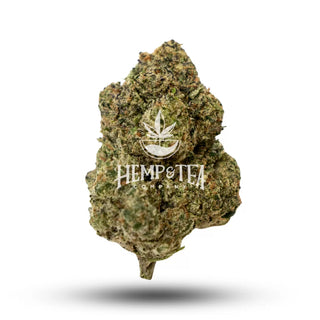
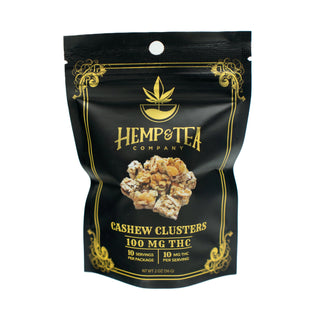
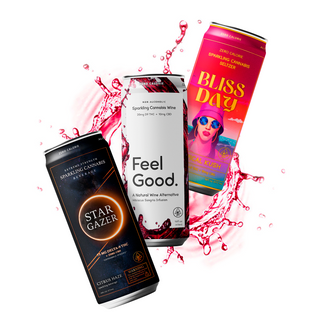
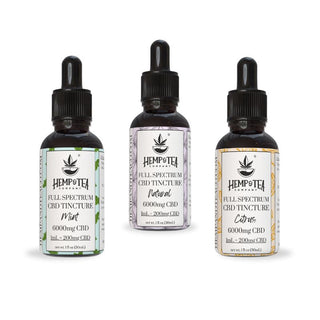
Different products raise different questions. A THCa flower label commonly displays both THCa and delta-9 percentages; the total-THC approach brings those numbers into the same calculation. A delta-9 edible may show milligrams per serving and milligrams per package, both of which matter in a per-container framework. A CBD item may contain no detectable THC, trace THC, or a broader cannabinoid profile, depending on its formulation.
Do not read these examples as legal determinations for particular products. Instead, use them to learn which parts of a COA or product label you need to understand.
Final thoughts
HB 328 deserves close attention because its July proposal could change North Carolina’s legal treatment of several hemp-derived categories. But not yet law and not relevant are very different things. Until the legislature acts, the responsible way to write about HB 328 is as a proposal, with a source link and a date. This content is general education rather than legal advice.
FAQ
Did the Senate pass HB 328?
The Senate adopted the conference report on July 2, 2026; that alone does not enact a bill. House action and the remaining constitutional steps still matter.
Does HB 328 already ban THCa flower?
No such enacted HB 328 prohibition was verified as of October 21, 2026. The July conference text proposes definitions that could affect THCa products if enacted.
Is the HB 328 age requirement active?
The under-21 language was in the pending July conference report. Its printed effective date does not make it enforceable before enactment.
External source links