



North Carolina hemp laws have become a moving target, and the headlines do not always make the changes easy to follow. One article says a ban is coming. Another describes a new bill as though it already passed. Meanwhile, a federal deadline that once pointed to November 12 has been partly postponed to December 11, 2026. If you shop for hemp-derived products in Charlotte, Huntersville, Concord, Belmont, or elsewhere in the state, there is a better way to keep the facts straight: separate current law, pending state proposals, and enacted federal changes.
First, what is the current legal starting point?
The federal 2018 Farm Bill framework generally defines hemp by no more than 0.3% delta-9 THC on a dry-weight basis. That framework explains why hemp-derived CBD, THCa flower, delta-8 products, and delta-9 products have appeared in stores, although the legal status of any particular product also depends on other federal and state laws, ingredients, manufacturing methods, and labeling. The federal Food and Drug Administration also has its own rules for food, supplements, drug claims, and product safety. “Hemp-derived” does not mean everything sold under that label is necessarily lawful.
The most important North Carolina distinction is that a proposed bill is not an enacted statute. The state’s HB 328 bill history showed a conference report adopted by the Senate on July 2, 2026, and re-referred to House Rules on July 30. As of our October 21 research cutoff, that conference proposal had not become law. Because legislators may reconvene again, this status must be verified when the article goes live.
Three developments to understand this November
1. North Carolina HB 328 remains a live policy question. Its July 2026 conference text proposed changing how hemp is defined in state law and adding age-21 restrictions for certain hemp-derived consumables. It also used an original November 12 effective date for part of its hemp-definition changes. Those are proposals in a specific text, not universal rules already in force.
2. Federal law now has a split timetable. Congress enacted new hemp-definition language in Public Law 119-37, then passed Public Law 119-103 on September 2, 2026. The second law means that narrow exclusions for cannabinoids not capable of being naturally produced by cannabis begin November 12; most other definition changes—including the widely discussed 0.4 mg-per-container limit and total-THC standard—are delayed to December 11, absent further action. The Congressional Research Service explanation is especially useful here.
3. State officials are considering broader consumer safeguards. The North Carolina Advisory Council on Cannabis is studying how to address youth access, licensing, testing, consumer education, and a potential regulated adult market. Recommendations are not statutes; they help explain what state policymakers may debate next.
Does this affect CBD, THCa, delta-8, and delta-9 equally?
Not necessarily. The future federal framework distinguishes plant material, cannabinoid products, how cannabinoids are produced, THC concentration, and the total amount in a final package. THCa matters because the upcoming definition incorporates total THC rather than treating delta-9 content as the entire calculation. Delta-8 raises an additional question because concentrated products are frequently produced through chemical conversion. Delta-9 gummies and beverages may face new limits tied to the entire container, not simply a percentage on a label. CBD remains subject to existing FDA restrictions, and CBD products containing THC can have additional issues under the revised definition.
Those differences are why one blanket statement—“all hemp is banned” or “all hemp is legal”—does not answer a shopper’s question.
What should shoppers do right now?
Start with product-specific questions instead of rumor. Ask for a certificate of analysis (COA) that matches the lot you are buying. Read the cannabinoid panel, not just the front of the package. Ask whether a product contains chemically converted cannabinoids or other additives. Understand that a percentage and a per-container milligram count answer different questions. Keep products away from children and pets, do not drive while impaired, and do not assume crossing state lines is permissible merely because something was purchased in North Carolina.
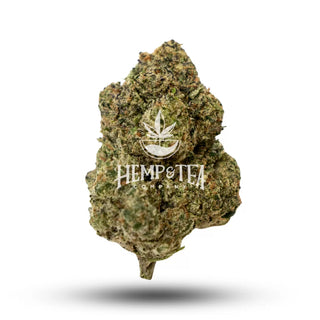
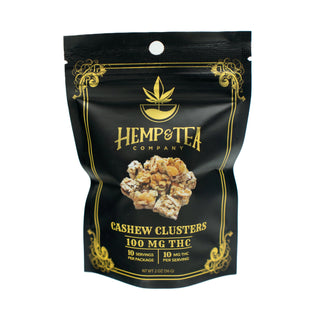
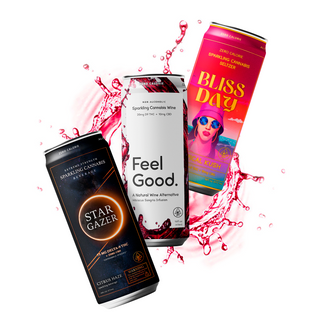
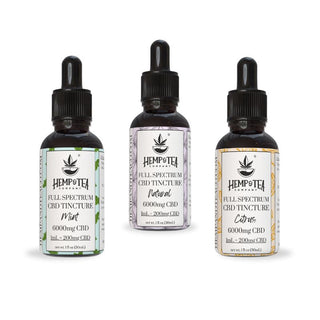
Our THCa flower collection, CBD product collection, and gummies collection are useful places to see the kinds of formats shoppers often ask about. These links are for category orientation, not a representation that every listed product will remain eligible for sale after future changes.
How to recognize a trustworthy hemp law update
Look for the bill number, an official last-action date, and a clear distinction between proposed and enacted language. If a story discusses “November 12,” ask whether it refers to the narrow federal provisions actually starting that day, the broader federal provisions now delayed until December 11, or a separate North Carolina proposal written before that federal delay. Those are three different questions.
Final thoughts
The clearest North Carolina hemp law update is one that admits when the answer depends on a product or a legislative vote. We will keep this series focused on understandable explanations, authoritative sources, and practical questions to ask. Hemp policy may change; careful reading should not. This article is educational, not legal advice, and its status snapshot is based on primary sources reviewed October 21, 2026.
FAQ
Has North Carolina passed HB 328?
Not as of the October 21, 2026 research cutoff. Check the official bill-history page for any subsequent House action and the Governor’s disposition.
Was the federal hemp deadline moved?
Partly. Narrow provisions are scheduled for November 12, 2026, while most of the revised definition is deferred until December 11, 2026.
Does “hemp-derived” automatically mean legal?
No. A product can also be affected by state controlled-substance laws, the federal Food, Drug, and Cosmetic Act, and the details of its formulation.
External source links