




Search “is THCa flower legal in North Carolina?” and you will find strong claims in both directions. The reason the question is difficult is that THCa, delta-9 THC, total THC, and hemp are not interchangeable terms. A product can display a relatively low delta-9 percentage and a much larger THCa percentage. The legal consequences depend on the applicable definition, the product’s actual laboratory results, and whether new laws have taken effect.
THCa and delta-9 THC are different measurements
THCa—tetrahydrocannabinolic acid—is a naturally occurring cannabinoid found in cannabis plants. Heating can convert THCa into delta-9 THC through decarboxylation. That is why a flower label that shows only delta-9 content gives an incomplete picture of the potential THC associated with the product.
Under the 2018 federal Farm Bill definition, hemp generally has no more than 0.3% delta-9 THC by dry weight. The planned federal definition will instead consider total tetrahydrocannabinols, including THCa, subject to the enactment timetable. This is not just a change in wording; it affects how qualifying plant material is assessed. The Congressional Research Service compares the old and new definitions directly.
Why the “total THC” formula appears on lab reports
You may see a calculation along the lines of delta-9 THC + (THCa × 0.877) in product discussions. The 0.877 factor reflects the molecular-weight adjustment associated with converting THCa to delta-9. It is a useful way to understand potential total THC for those components, but legal rules can require additional cannabinoids to be counted, as the July North Carolina HB 328 conference text proposes. The appropriate regulatory method is defined by the applicable law, not by the marketing label.
A COA that lists 0.20% delta-9 THC and 25% THCa is not describing a flower with only 0.20% potential THC. That example is illustrative, not a compliance ruling: the lab units, sample, dry-weight basis, and official test method all matter.
What does North Carolina law say now?
North Carolina’s hemp classification has historically followed the delta-9 threshold, but other state controlled-substance provisions, enforcement approaches, and federal requirements still matter. As of October 21, the official HB 328 tracker showed the conference proposal pending. It would align the state’s hemp definition more closely with a total-THC standard if enacted, and its conference report carried a proposed November 12 start for that section.
The federal timetable is different after September 2. Public Law 119-103 delayed the broader definition changes to December 11, 2026. Until then, avoid statements that imply every THCa item was automatically reclassified nationwide on November 12. Also avoid claiming that the delay makes every THCa product unquestionably legal.
THCa flower and THCa pre-rolls raise similar questions
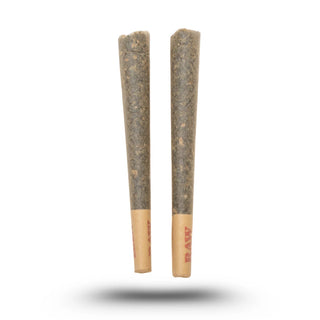
Flower is often sold as loose buds, pre-rolls, or mixed-inventory products. For any such item, customers should look for batch-specific lab documentation and a clear ingredient declaration. A pre-roll with added concentrates, oils, or other material may be different from plain flower. The same cultivar name does not guarantee the same chemistry across growers or batches.
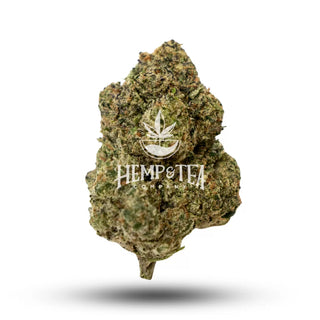
For context, our THCa flower collection shows how product listings commonly highlight cannabinoid percentages. Those are useful educational cues, but a retail category page is never a substitute for a current COA or applicable law.
The questions to ask a retailer
- Does this COA match the product’s batch or lot number?
- Does it show both THCa and delta-9 THC, with units and testing date?
- Is there a total-THC calculation, and how is it defined?
- Does the product contain added cannabinoids or concentrates?
- Is any state or federal rule changing the classification before I buy or travel with it?
- Can staff explain the label without promising legal immunity or health benefits?
Final thoughts
THCa flower legality in North Carolina cannot be reduced to “under 0.3% delta-9 equals safe forever.” The law is changing, and the upcoming total-THC framework makes careful testing and honest product language more important. Check original sources, compare the product’s actual laboratory data, and treat broad online declarations cautiously. This article is general education, not individual legal advice.
FAQ
Does THCa count toward total THC?
Under the revised federal definition scheduled for December 11, 2026, total THC expressly includes THCa. Existing hemp rules and specific testing requirements can differ.
Why can a THCa flower label show low delta-9 THC?
THCa and delta-9 THC are measured separately; their concentrations are not interchangeable.
Does buying THCa in North Carolina make it legal to transport anywhere?
No. Other jurisdictions, product-specific federal restrictions, and transportation rules can apply.
External source links