


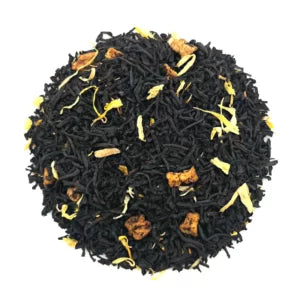
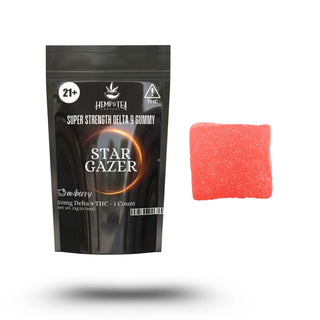
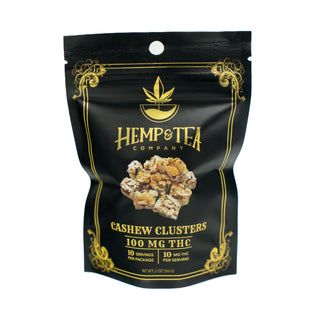
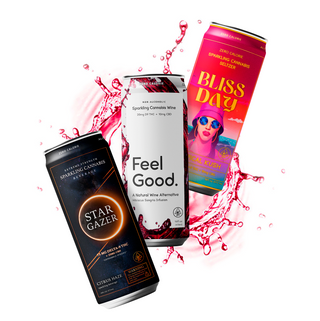
Smokeable herbal teas have become one of the more interesting corners of modern botanical culture. People who already love loose-leaf tea are starting to ask about herbs that can be used in different rituals, including aromatic smokeable blends. The idea is not completely new. Many cultures have used dried botanicals ceremonially, socially, or symbolically for centuries. What is new is the way shoppers are searching for terms like smokeable herbal tea, smokable herbs, herbal smoking blends, and nicotine-free alternatives.
At Hemp & Tea Company, we believe the best way to explore any botanical category is with education first. A product may look natural and still deserve careful questions. A blend may smell beautiful and still require responsible use. This guide is designed to help curious adults understand the basics before buying.
What Are Smokeable Herbal Teas?
Smokeable herbal teas are loose botanical ingredients or blends that are marketed for aromatic use, traditional ritual, or smokeable herbal blending. Some of the same herbs may also be brewed as tea, but brewing and smoking are very different experiences. Tea emphasizes flavor, steeping, hydration, and a slow sipping ritual. Smokeable herbal blends emphasize aroma, texture, burn quality, and sensory atmosphere.
Common categories include floral botanicals like blue lotus, white lotus, red lotus, lavender, and chamomile; leafy botanicals like damiana, mullein, mugwort, and raspberry leaf; and stronger niche herbs such as wild dagga or kava leaf, which require extra caution and education.
Why People Are Searching for Herbal Smoking Blends
The rise in interest is partly about ritual. Many customers are not looking for intensity. They are looking for slower, more intentional experiences that feel plant-based, aromatic, and separate from tobacco or nicotine.
Search interest often centers on questions like:
-
What herbs can be smoked?
-
What is blue lotus smokeable tea?
-
Are herbal smoking blends nicotine-free?
-
What does damiana taste like?
-
What should I ask before buying smokeable herbs?
These questions are useful because they show that many shoppers are not simply trying to buy something quickly. They want context.
Safety Comes First
A smokeable herb being natural does not automatically make inhaling smoke harmless. Any combusted material can expose the lungs to irritants. People with asthma, COPD, respiratory issues, heart conditions, pregnancy, nursing status, medication interactions, or a history of sensitivity should be especially cautious and speak with a qualified professional before using botanical products.
Responsible shopping also means avoiding blends with unknown ingredients, synthetic additives, artificial fragrance oils, or unrealistic health claims. A high-quality smokeable tea product should be transparent about ingredients and should not promise to diagnose, treat, cure, or prevent disease.
Common Smokeable Herbal Tea Ingredients
Blue lotus is often searched for its floral aroma, ancient Egyptian symbolism, and modern ritual appeal. White lotus is usually positioned as gentler and more delicate. Red lotus is often described as earthier and more grounding. Damiana is a classic aromatic leaf with a long herbal tradition. Mullein is frequently used as a base herb in botanical smoking blends because of its soft, fluffy leaf texture. Lavender and chamomile are often used sparingly for floral aroma. Mugwort is associated with dreams and folklore but should be avoided during pregnancy. Wild dagga and kava leaf are more specialized and deserve extra caution.
How to Shop Smarter
Before buying any smokeable herbal tea or botanical blend, ask clear questions:
-
What exact herbs are in the blend?
-
Is it nicotine-free and tobacco-free?
-
Are there any added flavors, oils, or synthetic ingredients?
-
Is this intended for tea, smokeable use, or both?
-
Are there age restrictions?
-
Are there safety warnings?
-
Is the product legal to ship to your state?
A good retail experience should make these answers easy to understand.
Final Thoughts
Smokeable herbal teas are best approached as a sensory and educational category, not a shortcut to guaranteed effects. Aroma, tradition, texture, and ritual all matter. So do safety, transparency, and moderation.
If you are curious, start by learning the individual herbs. Understand how blue lotus differs from damiana, how mullein differs from lavender, and why kava deserves special caution. The more you know, the more intentional your experience becomes.