





Not every smokeable herbal tea blog needs to focus on one bold herb. Some of the best educational content compares multiple familiar botanicals and helps customers understand how they work together. Mugwort, lavender, and chamomile are perfect for that approach.
They are all associated with evening rituals, floral aroma, and tea culture, but they are not the same. Mugwort is folklore-heavy and more caution-sensitive. Lavender is aromatic and strong in small amounts. Chamomile is familiar and comforting but can still trigger allergies in sensitive individuals.
Mugwort: Folklore and Dream Rituals
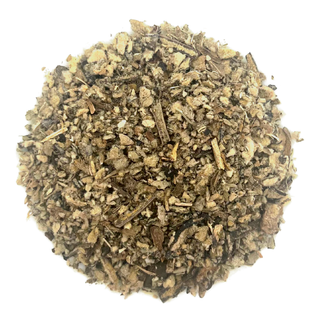
Mugwort is often searched in connection with dreams, rituals, and traditional herbal use. It has a strong aromatic profile and a long folklore history. In a smokeable herbal blend conversation, mugwort is usually presented as an accent herb rather than a gentle everyday base.
Safety matters here. NCCIH notes that mugwort should not be used during pregnancy, and people with allergies to related plants should be cautious. This is not a botanical to casually recommend to everyone.
Lavender: Strong Aroma in Small Amounts
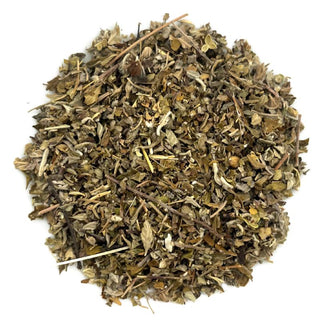
Lavender is one of the most recognizable floral herbs in the world. Customers associate it with calm spaces, candles, bath products, and evening routines. In tea and botanical blends, lavender can be beautiful, but too much can dominate the flavor and aroma.
For content, position lavender as an aromatic accent. It can pair with chamomile, white lotus, red lotus, or mild base herbs. A little goes a long way.
Chamomile: Familiar but Still Worth Explaining
Chamomile is often the first herb people think of for nighttime tea. It is soft, apple-like, floral, and approachable. That familiarity makes it useful in a blend because it can help customers feel comfortable trying more unusual botanicals.
However, chamomile may cause allergic reactions in people sensitive to related plants such as ragweed, chrysanthemums, marigolds, or daisies. It is gentle in reputation, but still deserves safety language.
How These Herbs Compare
A quick comparison helps shoppers:
-
Mugwort: aromatic, folklore-rich, dream-associated, caution-sensitive
-
Lavender: highly fragrant, floral, strong as an accent
-
Chamomile: familiar, soft, evening-friendly, allergy considerations
Together, they can create a floral theme, but they should be used thoughtfully.
Pairing With Lotus Flowers
These herbs pair naturally with lotus flower content:
-
White lotus + chamomile for a soft evening tea profile
-
Blue lotus + lavender for a floral ritual blend
-
Red lotus + mugwort for a deeper, folklore-inspired blend
-
Mullein + lavender + chamomile for a simple botanical base
The best blends have a clear purpose and do not rely on too many competing ingredients.
Final Thoughts
Mugwort, lavender, and chamomile give Hemp & Tea Company a strong educational post that bridges familiar tea drinkers into the smokeable herbal blend category. Customers may already know chamomile and lavender, but they may not understand how to compare them with mugwort or lotus flowers.
This post should emphasize aroma, ritual, and caution - not medical promises.