




Introduction: Why So Many “Deltas”?
As hemp-derived cannabinoids continue to grow in popularity, many people find themselves asking the same question:
What’s the difference between Delta-8, Delta-9, and Delta-10?
They all come from hemp.
They all interact with the body’s endocannabinoid system.
And yet — they can feel very different.
At Hemp & Tea Company, education is a core part of what we do. Understanding how these cannabinoids differ helps you make informed, intentional choices based on your comfort level, lifestyle, and goals.
Let’s break it down clearly.
A Quick Overview: THC Explained (Simply)
THC (tetrahydrocannabinol) is a cannabinoid found in the cannabis plant. What many people don’t realize is that THC exists in multiple forms, often called “isomers.”
Delta-8, Delta-9, and Delta-10 are chemically similar, but small structural differences change how they interact with the body — and how they’re commonly experienced.
What Is Delta-9 THC?
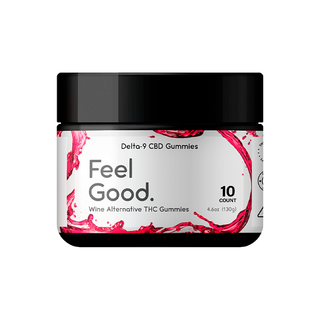
Delta-9 THC is the most well-known and naturally abundant form of THC.
Key Characteristics of Delta-9
-
Occurs naturally in cannabis and hemp
-
Known for noticeable psychoactive effects
-
Interacts strongly with CB1 receptors in the brain
-
Most researched and widely recognized form of THC
How Delta-9 Is Commonly Described
People often associate Delta-9 with:
-
Euphoria
-
Relaxation
-
Enhanced sensory awareness
-
Altered perception
In hemp-derived products, Delta-9 must remain under 0.3% by dry weight to be federally compliant.
👉 Learn more from the FDA’s overview of cannabis compounds:
https://www.fda.gov/consumers/consumer-updates/what-you-need-know-and-what-were-working-do-cannabis
What Is Delta-8 THC?
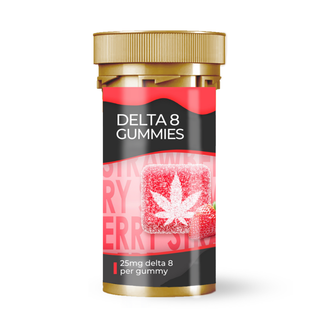
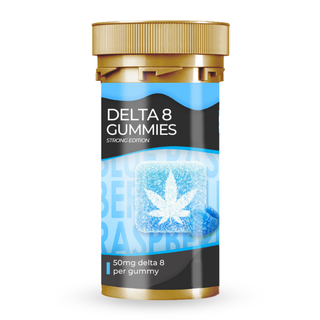
Delta-8 THC is a naturally occurring cannabinoid found in very small amounts in hemp. Most Delta-8 products are created through conversion from other hemp cannabinoids.
Key Characteristics of Delta-8
-
Chemically similar to Delta-9, with a slight structural difference
-
Often described as less intense than Delta-9
-
Produces milder psychoactive effects for many users
How Delta-8 Is Commonly Described
Many people report Delta-8 as:
-
More subtle
-
Less mentally overwhelming
-
More body-focused
Because of its gentler reputation, Delta-8 has gained popularity among those seeking a lower-intensity THC experience.
What Is Delta-10 THC?
Delta-10 THC is a newer and less widely available cannabinoid. It occurs in trace amounts in hemp and is typically produced through controlled conversion.
Key Characteristics of Delta-10
-
Structurally similar to Delta-8 and Delta-9
-
Often described as lighter and more uplifting
-
Generally perceived as less sedating
How Delta-10 Is Commonly Described
People often associate Delta-10 with:
-
A more functional experience
-
Clear-headed energy
-
Less heaviness compared to Delta-9
Because Delta-10 is newer, there is less research available, making education and lab testing especially important.
Delta-8 vs Delta-9 vs Delta-10: Side-by-Side Comparison
| Feature | Delta-8 THC | Delta-9 THC | Delta-10 THC |
|---|---|---|---|
| Natural Presence | Trace amounts | Naturally abundant | Trace amounts |
| Perceived Intensity | Mild to moderate | Strongest | Mild |
| Common Descriptions | Calm, smooth | Euphoric, immersive | Light, uplifting |
| Popularity | Very popular | Most well-known | Emerging |
| Research Volume | Limited | Extensive | Very limited |
Effects Can Vary by Individual
It’s important to understand that no two people experience cannabinoids the same way.
Factors that influence effects include:
-
Body chemistry
-
Tolerance
-
Product format
-
Dosage
-
Setting and mindset
This is why education — not assumptions — matters.
Legal & Regulatory Considerations
Hemp-derived cannabinoids exist in a rapidly evolving legal landscape.
While federally legal under the 2018 Farm Bill when compliant, individual states may regulate or restrict Delta-8, Delta-9, or Delta-10 differently.
We always recommend:
-
Checking your local laws
-
Purchasing from reputable retailers
-
Reviewing lab results
👉 For up-to-date hemp regulation insights, visit:
https://www.ncleg.gov (North Carolina legislation resource)
Lab Testing: Why It Matters More Than the Delta
Regardless of which cannabinoid you choose, third-party lab testing is essential.
Reliable lab reports should include:
-
Cannabinoid potency
-
Confirmation of hemp compliance
-
Screening for contaminants
At Hemp & Tea Company, transparency and quality come first.
Choosing the Right Option for You
Instead of asking “Which delta is best?” consider asking:
-
Do I want something mild or more noticeable?
-
Do I prefer calming or uplifting effects?
-
Am I new to THC-adjacent products?
There is no one-size-fits-all answer — and that’s okay.
How Hemp & Tea Company Approaches Cannabinoids
We believe cannabinoids should be:
-
Clearly explained
-
Responsibly sourced
-
Thoughtfully offered
Our focus is on education first, so customers feel confident and informed — whether they’re exploring THC-adjacent products or sticking with tea alone.
👉 Explore our educational resources and collections here:
https://hempandteaco.com/blogs/news
Final Thoughts
Delta-8, Delta-9, and Delta-10 may sound similar, but their differences matter.
Understanding those differences empowers you to:
-
Choose intentionally
-
Avoid misinformation
-
Find what fits your lifestyle
At Hemp & Tea Company, we’re here to help you navigate modern hemp with clarity — one thoughtful choice at a time.