


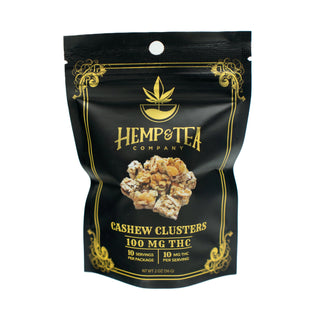
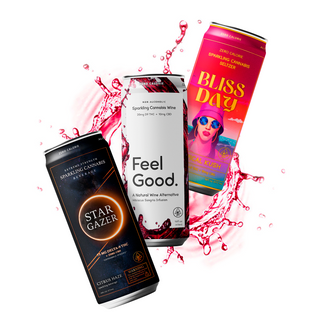
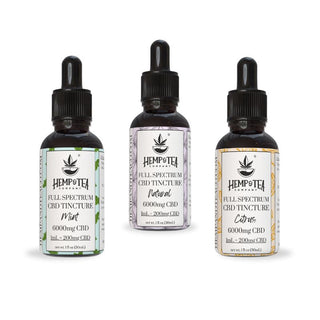

Delta-8 THC is one of the reasons North Carolina’s hemp debate has become so complicated. Products may be sold as gummies, infused tea, or other formats, but the label often leaves out the manufacturing details that regulators care about. As new federal hemp exclusions phase in during November and December 2026, shoppers need more than a yes-or-no headline.
What is delta-8 THC?
Delta-8 tetrahydrocannabinol is a psychoactive cannabinoid that can occur naturally in cannabis at low levels. The FDA explains that commercial quantities are often made from hemp-derived CBD using chemical conversion. That matters because manufacturing methods can introduce by-products or residual chemicals if they are not properly controlled. Delta-8 is intoxicating, and a hemp label does not remove the risks associated with impairment.
What is the current North Carolina regulatory discussion?
Under the 2018 federal hemp framework, some delta-8 products have been marketed as hemp-derived. But state and federal laws beyond the hemp definition still apply, and product-specific legal conclusions depend on chemistry and manufacturing. North Carolina lawmakers considered age restrictions and changes to definitions in several bills. The July 2026 HB 328 conference proposal specifically addressed delta-8 as part of a possible total-THC approach and exclusions for certain products.
At the October 21 research cutoff, the HB 328 status page did not show final enactment. The NC Senate Bill 328 record likewise illustrates why bill numbers should be checked instead of relying on generic social-media posts about an “age-21 hemp law.”
Why November 12 and December 11 both matter
The enacted September 2026 federal delay law makes the timing precise. Beginning November 12, narrow exclusions apply to intermediate and final hemp-derived cannabinoid products containing cannabinoids not capable of being produced naturally by cannabis. December 11 is the current date for other hemp-definition changes, including language addressing cannabinoids that occur naturally but were synthesized outside the plant, and the broader final-product limits. The Congressional Research Service provides a useful neutral overview.
It would be inaccurate to declare that every delta-8 product is automatically covered by the November 12 exclusion solely because it is called delta-8. It would also be inaccurate to claim that every delta-8 product is unaffected until December. The product’s actual chemistry, production process, and any subsequent guidance matter.
What should a delta-8 shopper look for?
A transparent product should identify its ingredients and cannabinoid content. A COA should match the item’s lot number and ideally include contaminant testing relevant to the way it was made. Look for laboratory information about residual solvents, heavy metals, pesticides, and potential conversion by-products rather than relying only on a potency claim.
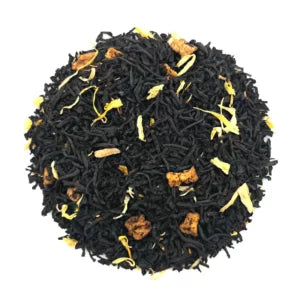
Also pay attention to the format. A delta-8-infused tea has different labeling questions from a gummy or vapor product, and a final product may contain multiple cannabinoids. Do not assume a product is accurately characterized by a single headline number on the front panel.
What about age and responsible retailing?
Even when a state does not yet impose a uniform age restriction on a particular category, stores may adopt an adults-only policy. Responsible retail also means discouraging youth-appealing presentation, using appropriate cautions, clearly displaying cannabinoid content, and keeping intoxicating products out of reach of children and pets. The North Carolina cannabis council has been examining these issues because the regulatory framework is not fully settled.
Delta-8 is not risk-free just because it is sold as hemp
The FDA has specifically warned about adverse events, inconsistent product composition, and manufacturing concerns in the delta-8 marketplace. Avoid combining intoxicating products with alcohol or sedatives, never drive while impaired, and seek medical advice if you have questions about medications or a health condition. This blog does not recommend a serving amount or promise a specific effect.
Final thoughts
The useful delta-8 conversation in North Carolina is not “panic” versus “nothing changes.” It is an informed look at manufacturing methods, federal classifications, state proposals, and reliable testing. Read the product, not just the headline. This article is educational and does not replace legal or medical advice.
FAQ
Is delta-8 THC psychoactive?
Yes. The FDA identifies delta-8 as a psychoactive and intoxicating cannabinoid.
Is all delta-8 federally prohibited on November 12, 2026?
Not as a blanket statement from the statutory text. The November 12 exclusions are narrow; additional provisions begin December 11 unless changed.
What does a delta-8 COA tell you?
A useful COA can identify measured cannabinoids and may report contaminants or residual solvents. Make sure the lot number matches the product.
External source links