



CBD gets grouped together with THC in many hemp-law stories, even though cannabidiol (CBD) is generally not considered intoxicating in the same way as delta-9 THC. That distinction is important—but it does not mean CBD is exempt from federal consumer-protection law. North Carolina CBD shoppers should understand what product they are buying, which cannabinoids it contains, and whether the way it is marketed is authorized.
What is CBD?
CBD is one of the cannabinoids produced by the cannabis plant. It appears in oils, tinctures, topical products, gummies, drinks, and some tea formulations. CBD itself is different from delta-9 THC, but a “CBD” label does not always mean a product has no THC. Full-spectrum formulations may contain additional cannabinoids, while other products may be designed to have nondetectable THC. The only sensible way to compare them is with a clear ingredient panel and batch-specific laboratory data.
Federal hemp status is not the whole CBD legal story
The 2018 hemp framework removed qualifying hemp from the federal Controlled Substances Act definition of marijuana, but Congress preserved the Food and Drug Administration’s authority. The FDA’s CBD consumer guidance explains that CBD cannot lawfully be marketed by adding it to food or labeling it as a dietary supplement under current federal rules. FDA also warns about products making unproven medical claims and about medication interactions and liver-related safety concerns.
That means a CBD gummy or beverage is not automatically authorized under federal food law simply because the source material qualifies as hemp. Retail availability and regulatory approval are different concepts.
Which CBD products might raise distinct questions?
CBD topicals: Check ingredients, intended claims, and whether the label promises to treat a medical condition. A topical cosmetic claim differs from a claim to cure or prevent disease.
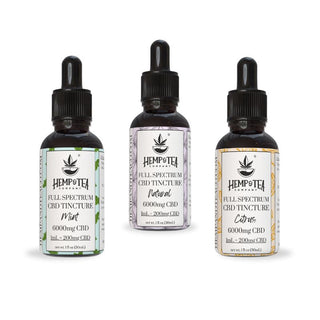
CBD tinctures or oils: Ask for the cannabinoid panel and accurate amount per serving. A tincture marketed with disease-treatment claims can raise drug-law concerns.
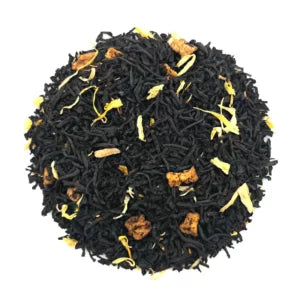
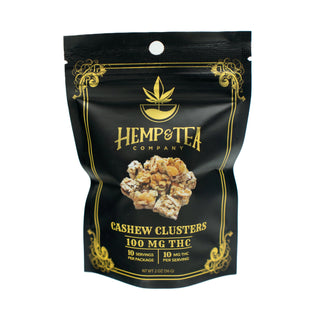
CBD gummies and infused teas: These are ingestible formats, so FDA food and supplement rules require extra attention. Shoppers should not interpret availability as FDA approval.
Full-spectrum CBD products: Ask whether the formula contains delta-9 THC, THCa, or other cannabinoids. The upcoming federal hemp definition measures certain cannabinoid content differently, making full product testing more significant.
Browse the CBD collection or CBD tea collection to compare labeling formats. Those links are a way to learn product vocabulary, not a claim that any item has specific legal clearance.
How do the 2026 federal changes fit in?
The revised hemp definition enacted in 2025 introduces a total-THC standard and an exclusion for certain final hemp-derived cannabinoid products exceeding 0.4 mg combined total per container of THC and similar-effect cannabinoids. Congress delayed most of those provisions to December 11, 2026. A CBD product with other cannabinoids may need careful analysis against the final rule; a pure CBD product and a full-spectrum product are not necessarily situated the same way.
The federal law is not best summarized as “CBD is banned.” Nor is it accurate to say the law has no possible implications for CBD-containing products. Product composition and legal definitions matter.
What North Carolina shoppers should ask
Before buying, look for a COA with batch identification, testing date, cannabinoid results, and relevant contaminant results. Ask whether the product is full-spectrum, broad-spectrum, or formulated with CBD isolate; those terms are useful but not substitutes for test results. Avoid claims of guaranteed cures or treatment for anxiety, insomnia, pain, or any disease. Talk with a clinician if you take medications or have a health condition.
Why the state discussion matters
The North Carolina Advisory Council on Cannabis is discussing public safety and regulation for intoxicating cannabinoids. Not every proposed safeguard will apply identically to CBD-only cosmetics, infused foods, and high-THC products. That is another reason to avoid language treating all “hemp” as a single category.
Final thoughts
CBD and hemp laws overlap, but FDA product rules do not disappear just because a product is hemp-derived. The safest information is specific: which format, which ingredients, which claims, and which date? Stay informed, read testing documentation, and be skeptical of medical promises. This article is educational, not medical or legal advice.
FAQ
Can CBD be sold as a dietary supplement under federal law?
FDA states that CBD is excluded from the dietary supplement definition under current federal law and cannot lawfully be marketed in food by addition.
Is full-spectrum CBD always THC-free?
No. Full-spectrum products can contain additional cannabinoids, including THC; review the product-specific lab report.
Does the December federal change ban every CBD product?
A blanket answer would be misleading. The revised definition makes distinctions based on product type and cannabinoid content, while FDA restrictions remain relevant.
External source links